In the era of smart technology, transforming your home into a smart haven is no longer a luxury but a lifestyle upgrade. From controlling lights with your voice to charging devices seamlessly, electric switches and sockets are pivotal in creating an efficient and modern smart home. However, with so many options available, selecting the right ones can be daunting. Here’s a comprehensive guide to help you choose the best electric switches and sockets for your smart home.
Understand Your Smart Home Ecosystem
The first step in choosing the right switches and sockets is understanding your existing or planned smart home ecosystem.
- Compatibility: Ensure that the switches and sockets are compatible with your smart home platform, such as Amazon Alexa, Google Home, or Apple HomeKit.
- Connectivity: Decide whether you need devices that connect via Wi-Fi, Zigbee, or Z-Wave protocols. For larger homes, Zigbee and Z-Wave are preferred for their reliable range and low power consumption.
Prioritize Safety and Compliance
In the UK, safety and compliance with regulations are non-negotiable.
- Look for sockets and switches that meet BS 1363 standards for safety.
- Opt for products with surge protection and overload prevention to safeguard your devices and appliances.
- Consider features like tamper-proof sockets if you have children at home.
Focus on Aesthetics and Design
Your electric switches and sockets play a role in your home’s decor.
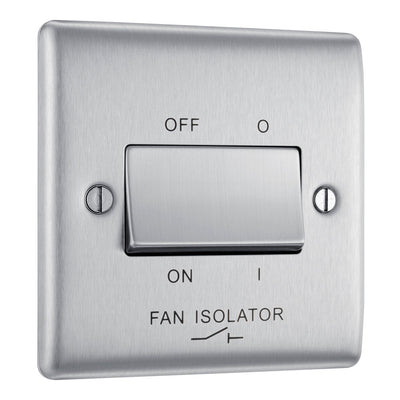
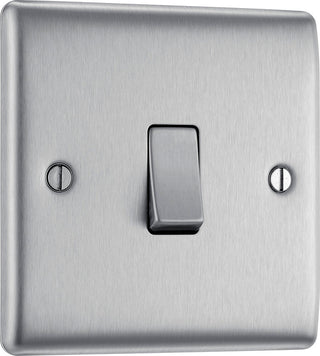
- Minimalist Designs: Modern switches often feature sleek, flat plates with touch-sensitive surfaces, complementing contemporary interiors.
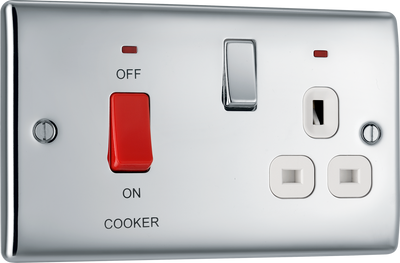
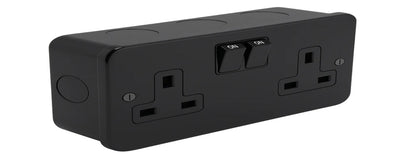
- Customizable Options: Many brands offer switches in various colours and finishes like brushed steel, matte black, or gloss white to suit different aesthetics.
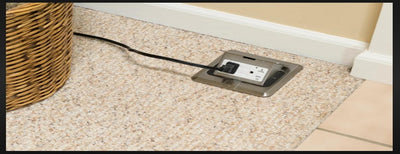
- Invisible Wiring: Some high-end designs conceal wires entirely for a clean, streamlined look.
Choose Smart Features Wisely
Smart switches and sockets offer a variety of advanced features. Consider the following based on your needs:
- Voice Control: Switches that respond to voice commands via Alexa or Google Assistant add convenience.
- Scheduling and Automation: Some switches allow you to schedule lights or appliances, improving energy efficiency.
- Dimming and Scene Control: For lighting, choose switches with dimming capabilities and the ability to set scenes for different moods.
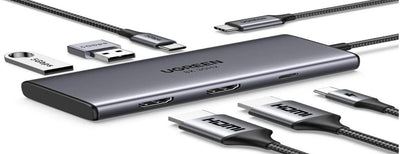
- USB and USB-C Ports: Sockets with integrated USB ports save space and support modern charging needs, especially for smartphones and tablets.
Evaluate Build Quality and Durability
Since switches and sockets are everyday-use items, durability is essential.
- Choose products made from high-quality materials like fire-resistant polycarbonate.
- Check user reviews for feedback on long-term reliability.
- Invest in well-known brands with a reputation for quality, such as Schneider Electric, MK Electric, or Legrand.
Think About Future Expansion
A smart home is an evolving ecosystem.
- Opt for modular systems that allow you to add more switches and sockets as needed.
- Ensure the devices you choose are compatible with future upgrades or new smart appliances.
Consider Energy Efficiency
Smart homes aim to optimize energy consumption.
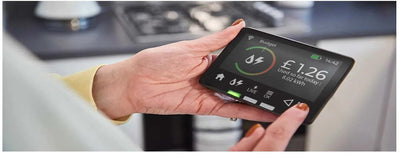
- Look for sockets with power monitoring features to track and reduce usage.
- Some smart switches automatically turn off unused lights or appliances, cutting down on electricity bills.
Installation and Professional Support
While DIY installation can save money, smart electric switches and sockets often require expert handling.
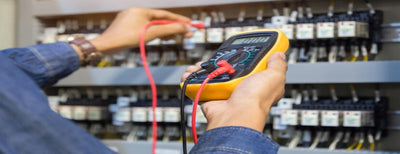
- Always consult a certified electrician for installation to ensure compliance with UK wiring regulations.
- Many smart sockets require a neutral wire, so verify your home’s wiring setup before purchasing.
Budget Considerations
Smart switches and sockets come in a wide price range.
- Affordable Options: Basic models with essential features like voice control and scheduling are available at reasonable prices.
- Premium Options: High-end models with advanced features like energy monitoring, custom scene settings, and designer finishes can be costlier.
- Strike a balance between features and budget, focusing on long-term value.
Brand Recommendations for UK Buyers
Here are some trusted brands to consider:
- Hive: Offers a wide range of smart switches compatible with UK systems.
- Lightwave: Known for its stylish designs and robust smart home integration.
- Wemo: Ideal for easy-to-install smart sockets with Wi-Fi compatibility.
- TP-Link: Affordable yet reliable options for smart sockets with energy monitoring.
Choosing the right electric switches and sockets for your smart home is about aligning functionality, safety, and aesthetics with your specific needs. Whether you’re prioritizing energy efficiency, seamless connectivity, or stylish designs, the key is to plan ahead and select products that enhance your living experience.
With the right choices, you can create a smart home that’s not only technologically advanced but also safe, efficient, and visually appealing. Ready to make the switch? Let your smart home journey begin