As winter 2024 approaches, UK households are bracing for colder days and longer nights. With rising energy costs and growing concerns about sustainability, now is the perfect time to equip your home with energy-efficient electrical appliances. These modern marvels not only keep you warm but also help you reduce your carbon footprint and save on utility bills. Here’s a guide to the must-have electrical appliances for a cozy and cost-effective winter.
-
Energy-Efficient Heaters: Stay Warm Without Breaking the Bank
The right heater can make a significant difference in your comfort and energy consumption. Traditional electric heaters are known for their high energy usage, but modern alternatives are designed to maximize warmth while minimizing power consumption.
Recommended Options:
- Oil-Filled Radiators: These heaters retain heat longer, even after being switched off, making them a cost-effective option for small spaces.
- Infrared Heaters: They provide targeted warmth, heating people and objects rather than the surrounding air, reducing wasted energy.
- Smart Heaters: Equipped with timers, thermostats, and app controls, smart heaters let you customize heating schedules and monitor energy usage remotely.
-
Smart Thermostats: Take Control of Your Heating
Smart thermostats are a game-changer for energy efficiency. These devices allow you to control your home’s temperature with precision, ensuring you’re not heating unoccupied rooms or overusing energy. Many smart thermostats learn your habits and adjust settings automatically, optimizing comfort and cost savings.
Features to Look For:
- Remote Access: Control your heating system via smartphone apps.
- Energy Reports: Get detailed insights into your energy usage and savings.
- Zone Heating: Manage temperatures in different rooms independently.
Popular brands in the UK include Hive, Nest, and Tado.
-
LED Lighting: Brighten Your Home Efficiently
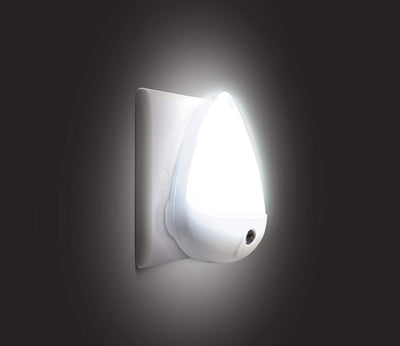
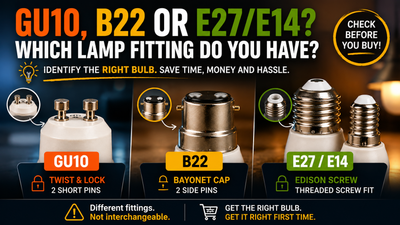
As daylight hours shrink, lighting becomes a bigger part of your daily energy consumption. LED lights are far more efficient than traditional incandescent bulbs, using up to 80% less energy and lasting significantly longer.
Why Switch to LED?
- Cost Savings: Lower energy bills and fewer replacements.
- Versatility: Available in various colors, brightness levels, and designs to suit every room.
- Eco-Friendly: Reduced energy consumption contributes to a smaller carbon footprint.
For even more efficiency, consider using smart LED bulbs that can be dimmed or scheduled via smartphone apps.
-
Electric Blankets and Heated Mattress Pads
Why heat an entire room when you can keep warm in bed with an energy-efficient electric blanket? These appliances provide localized warmth, ensuring you stay cozy without cranking up the thermostat.
Tips for Use:
- Look for models with adjustable heat settings and timers.
- Use electric blankets to preheat your bed before switching them off while you sleep.
- Check for safety certifications and automatic shut-off features to avoid overheating.
-
Energy-Saving Kitchen Appliances
Winter is synonymous with hearty home-cooked meals, and your kitchen appliances can significantly impact your energy consumption. Upgrading to energy-efficient models ensures you enjoy your favorite dishes without wasting electricity.
Must-Have Appliances:
- Induction Cooktops: They heat pots and pans directly, reducing energy loss and cooking time.
- Slow Cookers: Ideal for stews, soups, and casseroles, slow cookers use less energy compared to ovens or stovetops.
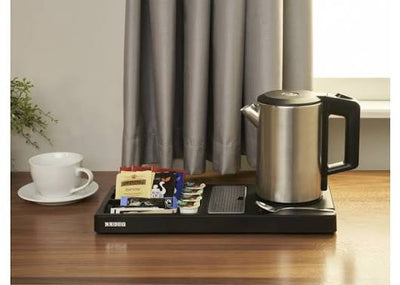
- Efficient Kettles: Choose kettles with rapid boil technology and water-level indicators to avoid boiling more water than necessary.
-
Heat Pump Dryers: A Sustainable Alternative
Traditional tumble dryers are notorious for their energy consumption, but heat pump dryers offer a greener solution. They recycle hot air, making them significantly more energy-efficient while being gentle on clothes.
Benefits of Heat Pump Dryers:
- Lower Energy Bills: Use up to 50% less electricity than conventional dryers.
- Eco-Friendly: Ideal for reducing your household’s carbon emissions.
- Versatility: Perfect for drying clothes indoors during rainy winter days.
-
Smart Plugs: Monitor and Control Appliance Usage
Smart plugs are a cost-effective way to enhance energy efficiency across your home. They allow you to turn appliances on or off remotely, schedule usage times, and monitor energy consumption in real time.
Best Uses:
- Prevent standby power drain from appliances like TVs and chargers.
- Automate lighting to create a cozy ambiance while conserving energy.
- Control heaters and other devices with voice commands via smart assistants.
-
Air Purifiers with HEPA Filters
Winter often means closed windows and less ventilation, leading to stagnant indoor air. Air purifiers with HEPA filters ensure a fresh and healthy living environment while consuming minimal energy.
Advantages:
- Cleaner Air: Remove allergens, dust, and pollutants.
- Low Power Usage: Designed to run efficiently for extended periods.
- Improved Comfort: A healthier indoor atmosphere enhances overall winter wellness.
Final Tips for Energy Efficiency
- Seal Drafts: Use draft excluders and weather stripping to keep heat in and cold air out.
- Use Appliances Strategically: Only run dishwashers, washing machines, and dryers with full loads.
- Monitor Energy Usage: Smart meters can help you track your electricity consumption and identify areas for improvement.