Electricity is an essential part of our daily lives, powering everything from lights and appliances to heating and security systems. However, faulty wiring can pose serious risks, including electrical fires, shocks, and appliance failures. Regularly checking your wiring ensures safety, efficiency, and compliance with regulations. But how often should you have your wiring inspected? Here are key indicators that it’s time to get a professional electrical check-up.
1. Age of the Wiring
If your home or business premises are over 25 years old and the wiring hasn’t been inspected in a while, it’s time for a thorough check-up. Older electrical systems may not meet modern safety standards and could have deteriorated insulation or outdated fuse boxes that pose risks.
2. Frequent Circuit Breaker Trips
Circuit breakers are designed to protect your electrical system by shutting down when there is an overload or short circuit. If your breakers trip frequently, it could indicate an underlying problem such as faulty wiring, overloaded circuits, or a failing electrical panel. Ignoring these signs could lead to serious electrical hazards.
3. Flickering or Dimming Lights
Lights that flicker or dim when you use other appliances can be a sign of inadequate wiring. This may suggest voltage fluctuations, loose connections, or an overburdened electrical system. A professional electrician can diagnose and fix the issue before it escalates.
4. Burning Smell or Discolored Outlets
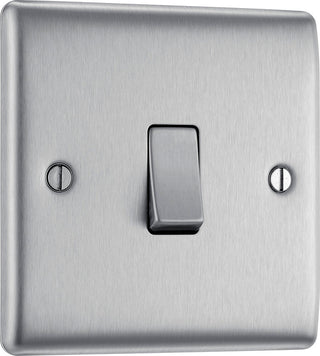
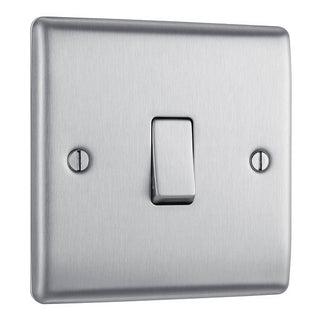
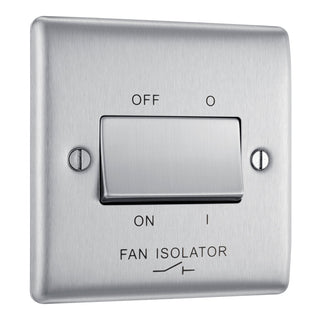
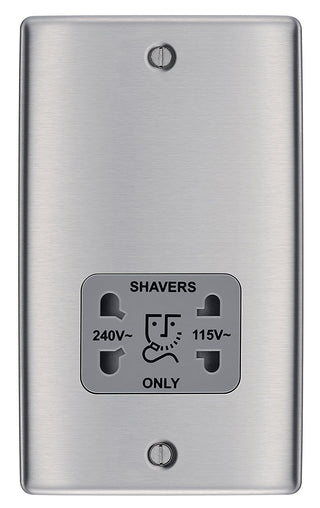
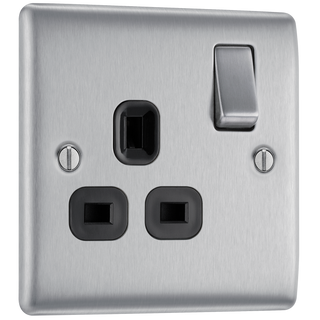
A persistent burning smell, especially near outlets or switches, is a red flag. Discolored or scorched outlets indicate overheating, which could be caused by loose connections or faulty wiring. If you notice these signs, switch off power to the affected area and contact an electrician immediately. Scorched or cracked plates should be replaced like-for-like — see our sockets and switches ranges.
5. Buzzing Sounds from Outlets or Switches
Electrical systems should run quietly. If you hear a buzzing or sizzling sound from outlets, switches, or behind walls, it could signal loose wiring or a defective component. These noises should never be ignored, as they can lead to electrical fires.
6. Outlets or Switches Feel Warm to the Touch
Outlets or light switches that feel warm could indicate excessive current flow, poor wiring connections, or faulty components. Warmth around electrical points is not normal and should be checked by a professional.
7. You Experience Electric Shocks
If you receive a mild shock when plugging in or touching an appliance, it may indicate grounding issues or damaged wiring. Even a minor shock is a warning sign that something is wrong and should be addressed without delay.
8. Rodent or Pest Infestation
Rodents often chew on electrical wiring, leading to exposed conductors and potential fire hazards. If you suspect a rodent problem in your home or business, it’s wise to have an electrician inspect the wiring to ensure no damage has been done.
9. You’re Planning a Major Renovation
If you’re adding new appliances, expanding your home, or renovating, it’s crucial to check your wiring to ensure it can handle the increased load. Upgrading your electrical system before a remodel can prevent circuit overloads and compliance issues.
10. Compliance with Safety Regulations
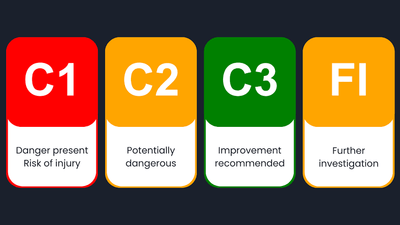
Electrical regulations evolve to improve safety. In the UK, landlords must ensure wiring is checked at least every five years — the inspection is called an EICR, and our EICR landlord checklist explains exactly what inspectors test and how the C1/C2/C3 defect codes work. Homeowners are also encouraged to have periodic inspections to stay compliant with safety standards.
Conclusion
Regular electrical inspections are essential for safety and efficiency. If you notice any of the above signs, don’t delay in calling a certified electrician. Preventative maintenance can save you from costly repairs, electrical failures, and even life-threatening hazards. A proactive approach to electrical safety ensures peace of mind for you and your family.
Pre-inspection fixes & further reading:
- BG sockets & switch plates — like-for-like replacements for damaged accessories
- Fused connection units for fixed appliances
- EICR landlord checklist — what's inspected & how to pass
- BS 7671 bathroom zones guide
Managing rental properties? Open a trade account for trade pricing on remedial parts.