Tumble dryers are among the most energy-intensive household appliances in the UK. With changing energy prices and stricter efficiency standards, modern dryer technology has evolved significantly. Understanding how different types of tumble dryers work and how they interact with a home’s electrical system can help UK households make better choices.
Types of Tumble Dryers Used in the UK
There are three main types of tumble dryers commonly found in UK homes:
Vented tumble dryers
These expel hot, moist air outside through a vent. They are simple but inefficient and increasingly uncommon in new builds.
Condenser tumble dryers
These collect moisture in a container or drain it away. They are easier to install but still consume relatively high electricity.
Heat pump tumble dryers
These use advanced heat exchange technology to recycle warm air. They are now the most energy-efficient option available.
Electrical Load and Power Consumption
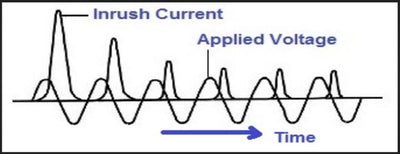
Traditional tumble dryers typically operate between 2.5 kW and 3 kW, drawing sustained power during heating cycles. Heat pump dryers, however, use significantly less power, often around 800 W to 1 kW, though they run for longer cycles.
From an electrical system perspective, heat pump dryers:
- Reduce peak load on circuits
- Lower cable heating
- Place less strain on consumer units
This makes them more suitable for modern UK homes with multiple high-load appliances.
Heat Pump Technology Explained
Heat pump dryers work by capturing warm air, removing moisture, and reusing the heat rather than expelling it. This closed-loop system dramatically improves efficiency.
While cycle times are longer, total energy consumption can be up to 60 percent lower than conventional dryers.
Electrical Protection and Installation
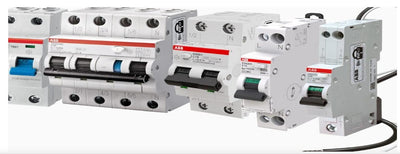
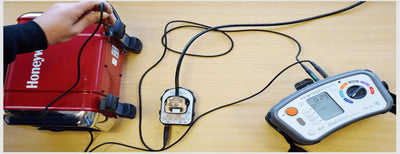
Tumble dryers must be connected to sockets protected by:
- RCD or RCBO protection
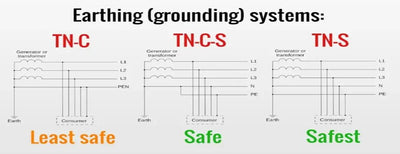
- Proper earthing
- Adequate cable sizing
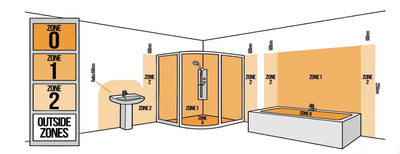
Because dryers are often installed in utility rooms or kitchens, moisture and ventilation are important safety considerations.
Impact on UK Energy Bills
Although heat pump dryers cost more upfront, their lower energy usage results in long-term savings. With frequent use, many households recover the extra cost within a few years.
Future Trends
UK efficiency regulations and consumer demand are pushing manufacturers toward heat pump technology. Over time, high-energy vented models are likely to disappear from the domestic market.