Outdoor Christmas lights can instantly transform a UK home into something festive and welcoming. From glowing rooflines to illuminated gardens, outdoor lighting is a big part of Christmas celebrations. But unlike indoor decorations, outdoor electrical lighting comes with specific safety requirements, especially in the UK where weather conditions can be harsh and unpredictable.
Rain, frost, wind, and long nights mean outdoor Christmas lighting must be chosen and installed carefully. Understanding IP ratings, UK electrical safety rules, and smart power usage tips can help you enjoy a bright Christmas without unnecessary risks or high electricity bills.
Why Outdoor Christmas Lighting Needs Special Care
Outdoor electrical appliances face far more stress than indoor ones. Moisture, cold temperatures, and dirt can damage cables and fittings, increasing the risk of electric shock, short circuits, or fire.
In the UK, winter weather often includes heavy rain and condensation. That’s why outdoor Christmas lights must meet higher protection standards and be installed correctly.
Choosing the wrong type of lights or ignoring basic safety rules can turn festive decorations into a serious hazard.
Understanding IP Ratings for Outdoor Christmas Lights
The IP rating (Ingress Protection rating) tells you how well an electrical product is protected against solid objects (like dust) and liquids (like rain).
An IP rating is written as IP followed by two numbers:
- First number – protection against solids
- Second number – protection against water
For outdoor Christmas lighting in the UK, these ratings are especially important.
Recommended IP Ratings for Outdoor Christmas Lights
-
IP44
Suitable for sheltered outdoor areas such as covered porches or balconies. It protects against splashing water but not heavy rain. -
IP65
Ideal for most outdoor Christmas lighting. It offers full protection against dust and water jets, making it safe for gardens, fences, and rooflines. -
IP67
Designed for extreme conditions, including temporary immersion in water. This is useful for ground-level lighting or areas prone to pooling water.
If your lights don’t clearly state an IP rating, they’re not suitable for outdoor use, even if they appear waterproof.
UK Electrical Safety Rules You Should Follow
Outdoor Christmas lighting in the UK must follow basic electrical safety guidelines to prevent accidents.
Use Outdoor-Rated Products Only
Never use indoor fairy lights outdoors. Indoor lights are not designed to handle moisture and cold and can fail quickly.
Look for lights labelled “suitable for outdoor use” and compliant with UK safety standards.
RCD Protection Is Essential
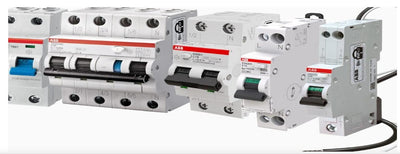
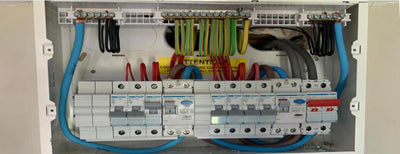
Any outdoor electrical setup should be connected through an RCD (Residual Current Device). An RCD cuts off power instantly if it detects a fault, reducing the risk of electric shock.
Most modern UK consumer units already have RCD protection, but for added safety, you can use RCD-protected outdoor extension leads.
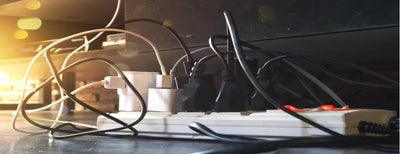
Avoid Overloading Sockets
Christmas lighting often involves multiple decorations plugged into one point. Overloading sockets can cause overheating and fire risks.
- Avoid stacking multiple extension leads
- Use power strips with built-in overload protection
- Check the maximum load rating before connecting multiple lights
LED lights consume less power, making them safer for extended use.
Keep Connections Off the Ground
All plugs and connectors should be kept off the ground to avoid contact with water.
Use:
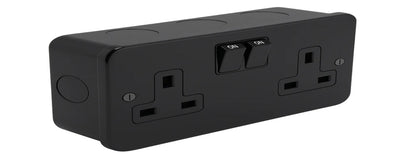
- Weatherproof outdoor sockets
- Waterproof junction boxes
- Wall-mounted extension points
Never leave loose connections exposed to rain or snow.
Choosing the Right Type of Outdoor Christmas Lights
Modern outdoor Christmas lights are designed to be more efficient and safer than older models.
LED Lights Are the Best Choice
LED outdoor lights use up to 80% less electricity than traditional incandescent bulbs. They also produce very little heat, reducing fire risk.
Benefits of LED Christmas lights:
- Lower electricity bills
- Longer lifespan
- Safer for prolonged use
- Brighter light with lower power consumption
Low-Voltage Lighting Is Safer
Many outdoor light sets operate on low voltage using a transformer. This significantly reduces the risk of electric shock, making them ideal for homes with children or pets.
Always ensure the transformer itself is weatherproof or placed indoors.
Smart Power Tips for Christmas Lighting
Christmas decorations can add to electricity costs if left unmanaged. A few simple power-saving steps can make a big difference.
Use Timers
Plug your outdoor lights into plug-in timers or smart plugs. This allows lights to turn on automatically in the evening and switch off late at night.
A common setup is:
- ON: 4:30 pm
- OFF: 11:30 pm
This keeps your home festive without running lights all night.
Consider Smart Outdoor Plugs
Smart plugs designed for outdoor use allow you to control lights through your phone. Some even track energy usage, helping you manage costs more effectively.
They’re especially useful if you’re away during the holidays.
Switch Off During Bad Weather
In severe weather such as storms or heavy snowfall, it’s best to switch off outdoor lights temporarily. This protects both the decorations and your electrical system.
Maintenance and End-of-Season Safety
Before installing lights:
- Check cables for cuts or exposed wires
- Test lights indoors before hanging them outside
After Christmas:
- Disconnect lights safely
- Dry them completely before storage
- Store in sealed containers to prevent moisture damage
Good maintenance ensures your lights stay safe and usable for many Christmases to come.
Final Thoughts
Outdoor Christmas lighting adds warmth and joy to UK homes during the darkest months of the year. But festive displays should never come at the cost of safety.
By choosing the correct IP-rated lights, following UK electrical safety rules, and using energy-efficient power controls, you can enjoy a bright, festive home while keeping risks low and energy use under control.
A safe Christmas is a happy Christmas and with the right approach, your outdoor lights can shine beautifully all season long.