Heat Pumps in UK Homes: How Electrical Heating Is Replacing Gas Boilers

As the UK moves toward net-zero targets, one electrical appliance is quietly transforming how homes are heated: the heat pump. Once considered expensive and complex, heat pumps are now becoming a realistic alternative to gas boilers for UK households.

Unlike traditional heating systems, heat pumps do not generate heat directly. Instead, they transfer heat using electricity, making them far more efficient and environmentally friendly.

What Is a Heat Pump?

A heat pump is an electrically powered system that extracts heat from the air, ground, or water outside a property and transfers it indoors. Even in cold UK weather, there is enough ambient heat for the system to work efficiently.

There are two main types used in UK homes:

  • Air Source Heat Pumps (ASHPs) – extract heat from outside air
  • Ground Source Heat Pumps (GSHPs) – extract heat from underground pipes

Both systems use electricity to run compressors and pumps, but they produce three to four times more heat energy than the electricity they consume.

Why Heat Pumps Are Gaining Popularity in the UK

Gas boilers account for a large portion of household carbon emissions. With gas prices fluctuating and government policies pushing cleaner alternatives, heat pumps are increasingly attractive.

Key reasons for adoption include:

  • Lower carbon emissions
  • High energy efficiency
  • Compatibility with renewable electricity
  • Long system lifespan

Government schemes like the Boiler Upgrade Scheme are also helping reduce installation costs for homeowners.

Electrical Requirements for Heat Pumps

Heat pumps rely heavily on a home’s electrical infrastructure. Before installation, several electrical factors must be checked:

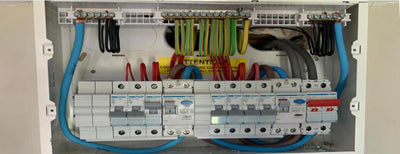
  • Consumer unit capacity: Older fuse boards may need upgrading
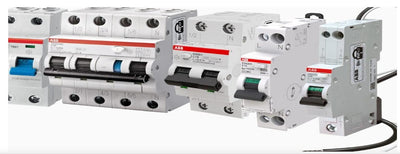
  • Dedicated circuits: Heat pumps usually require their own MCB or RCBO
  • Three-phase supply: Some larger systems need three-phase electricity
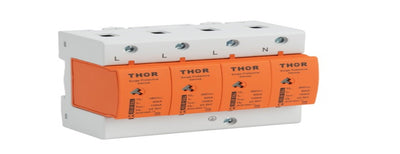
  • Surge protection: Sensitive electronics benefit from SPD installation

A professional electrical assessment is essential before switching from gas to electric heating.

Efficiency and Running Costs

While heat pumps use electricity, they are extremely efficient. Their efficiency is measured using a Coefficient of Performance (COP). A COP of 4 means the system delivers 4 kWh of heat for every 1 kWh of electricity used.

In well-insulated UK homes, this can result in lower running costs than gas boilers, especially when paired with solar panels or off-peak electricity tariffs.

Are Heat Pumps Suitable for All UK Homes?

Heat pumps work best in properties with:

  • Good insulation
  • Underfloor heating or large radiators
  • Consistent heating demand

Older homes may require insulation upgrades, but many UK properties can still benefit with the right design and setup.

The Future of Home Heating

As electricity becomes greener and gas systems are phased out, heat pumps are likely to become the standard for UK homes. They represent a major shift toward cleaner, electrically powered living.

Previous articleOutdoor Christmas Lighting in the UK: IP Ratings, Safety Rules, and Power Tips All articles Next articleInduction Hobs in UK Homes: Electrical Requirements, Efficiency, and Common Myths

RELATED ARTICLES

BG 3-pole fan isolator switch
Do you need a fan isolator switch? 3-pole isolators explained

Why timer and overrun extractor fans need a 3-pole fan isolator switch, where to fit it, and how to choose one.

BG 45A cooker switch
Which cooker switch do I need? 45A cooker switches explained (UK)

45A vs 32A, single vs double pole, with or without a socket, and where a UK cooker switch should go under BS 7671.

Power Factor in Household Appliances
Power Factor in Household Appliances: Why It Matters in UK Electrical Systems

Most discussions around electrical appliances focus on power consumption in watts, but another important factor often ignored in domestic settings is power factor. While...

Voltage Drop in UK Electrical Circuits
Voltage Drop in UK Electrical Circuits: Impact on Appliances and How to Manage It

Voltage drop is an important factor in electrical installations, especially in UK homes where multiple appliances operate across different circuits. If not properly managed,...

What Are the Types of USB Socket
What Are the Types of USB Socket? A Complete Guide for UK Homes

USB charging has become a standard part of everyday life. From smartphones and tablets to smart devices, most modern electronics rely on USB power....

IP Ratings for Socket Outlets in the UK
IP Ratings for Socket Outlets in the UK: Understanding Protection Levels and Applications

Ingress Protection (IP) ratings are an important consideration when selecting socket outlets for different environments in the UK. Not all sockets are suitable for...

Socket Outlet Polarity in the UK
Socket Outlet Polarity in the UK: Importance, Testing and Fault Risks

Correct polarity is a fundamental requirement in UK electrical installations, especially for socket outlets. Even if a socket appears to function normally, incorrect polarity...

Socket Outlet Back Boxes in the UK
Socket Outlet Back Boxes in the UK: Types, Depth Requirements and Installation Standards

Quick answer: The back box depth you need depends on the accessory: 25mm suits most flush light switches and single sockets, 35mm gives extra...

Floor Socket Outlets in the UK
Floor Socket Outlets in the UK: Applications, Installation and Safety Considerations

Floor socket outlets are a specialised type of electrical outlet installed directly into the floor rather than on walls. They are increasingly used in...

Smart Electrical Outlets in UK Homes
Smart Electrical Outlets in UK Homes: Technology, Energy Control and Installation Considerations

Smart electrical outlets are becoming a popular addition to modern UK homes. These outlets allow users to control connected appliances remotely using smartphones, voice...

USB Electrical Outlets in UK Homes
USB Electrical Outlets in UK Homes: Design, Load Considerations and Installation

As modern homes rely more on mobile devices, USB socket outlets have become increasingly popular in the UK. These outlets combine traditional plug sockets...

Residual Current Devices in UK Appliances Circuits
Residual Current Devices (RCDs) in UK Appliances Circuits: Why They Are Essential for Electrical Safety

Electrical safety is a major concern in modern UK homes and workplaces. With the increasing use of electric appliances such as washing machines, kettles,...

Portable Appliance Testing (PAT) in the UK
Portable Appliance Testing (PAT) in the UK: Technical Procedure and Compliance Requirements

Portable Appliance Testing (PAT) is a critical safety process for electrical appliances used in workplaces, rental properties, schools and construction sites across the UK....

Inrush Current in UK Electric Appliances and Power Tools
Inrush Current in UK Electric Appliances and Power Tools: Circuit Design and Protection Essentials

Inrush current is an important but often overlooked factor in UK electrical installations. Many electric appliances and professional power tools draw a short but...

Earthing System Types in the UK
Earthing System Types in the UK: TN-S, TN-C-S and TT System Design Considerations

Understanding earthing arrangements is critical for safe and compliant installations. In the UK, the primary earthing systems are TN-S, TN-C-S (PME), and TT systems....

Smart Meters in UK Homes
Smart Meters in UK Homes: How They Help You Monitor Electricity Usage

Smart meters have become increasingly common across the UK. Many energy suppliers now install them as standard, helping households better understand how much electricity...

Shop products from this guide