Electrical safety in UK homes relies heavily on protective devices installed inside the consumer unit. One of the most important yet least understood components is the Residual Current Device (RCD). As UK homes adopt more electrical appliances and smart technology, RCDs play a critical role in protecting both people and equipment.
What Is an RCD?
An RCD is a safety device designed to disconnect the electrical supply when it detects a leakage current. This leakage typically occurs when electricity flows through an unintended path, such as through a damaged cable or a person.
Unlike fuses or MCBs, which protect against overloads and short circuits, RCDs are specifically designed to prevent electric shock.
Why RCDs Are Essential in UK Electrical Systems
UK wiring regulations (BS 7671) require RCD protection for most domestic circuits. This is especially important because modern homes now contain:
- High-power kitchen appliances
- Electric showers
- Outdoor sockets and garden equipment
- EV chargers and heat pumps
RCDs react within milliseconds, significantly reducing the risk of serious injury or fatal shock.
How RCDs Work Technically
An RCD continuously monitors the balance between live and neutral currents. Under normal operation, these currents are equal.
If a difference occurs, even as small as 30 milliamps, the RCD trips and disconnects the supply. This rapid response prevents prolonged exposure to dangerous current levels.
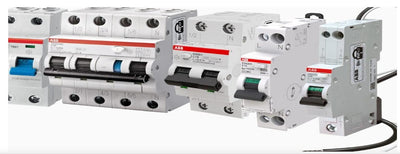
Types of RCDs Used in the UK
- RCCBs: Protect groups of circuits
- RCBOs: Combine RCD and MCB protection in one device
- Time-delayed RCDs: Used in selective protection systems
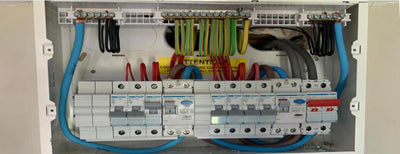
Modern consumer units increasingly use RCBOs for improved fault isolation.
RCDs and Appliance Protection
While RCDs primarily protect people, they also indirectly protect appliances by:
- Preventing sustained earth faults
- Reducing fire risk
- Isolating faulty equipment quickly
Appliances with moisture exposure, such as washing machines and dishwashers, benefit the most.
Testing and Maintenance
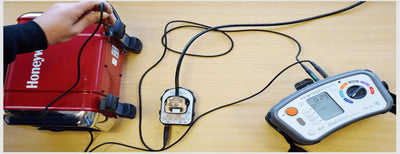
UK households should test RCDs every three months using the built-in test button. Failure to trip indicates a faulty device that requires immediate replacement.
The Future of RCD Technology
With growing electrical complexity in UK homes, RCD technology is evolving to handle higher loads, DC leakage from EV chargers, and smart monitoring features.