In today’s world, where sustainability and cost savings go hand in hand, energy efficiency has become a key factor when purchasing home appliances. With rising electricity costs and growing environmental concerns, understanding energy efficiency ratings can help consumers make informed decisions that benefit both their wallets and the planet.
What Are Energy Efficiency Ratings?
Energy efficiency ratings are standardized measures that indicate how much energy an appliance consumes compared to similar models. These ratings help consumers assess the operating costs of their appliances before purchase, allowing them to choose energy-saving options that reduce their utility bills and carbon footprint.
In many countries, energy efficiency labels are mandatory for major home appliances such as refrigerators, washing machines, dishwashers, and air conditioners. These labels display key information about the appliance’s energy consumption, making it easier for buyers to compare different models.
Understanding Energy Efficiency Labels
Different regions have their own energy efficiency rating systems. Here are some of the most widely used:
- EU Energy Label: This label ranks appliances on a scale from A to G, with A being the most energy-efficient. Older versions of the label included A+, A++, and A+++, but a recent revision simplified the rating system.
- Energy Star (USA): A government-backed certification indicating that an appliance meets strict energy efficiency guidelines set by the Environmental Protection Agency (EPA).
- BEE Star Rating (India): The Bureau of Energy Efficiency (BEE) assigns star ratings from 1 to 5, with 5-star appliances being the most energy-efficient.
- Energy Rating Label (Australia & New Zealand): Appliances are rated from 1 to 10 stars, helping consumers quickly identify energy-efficient models.
Why Energy Efficiency Matters
Energy-efficient appliances provide several benefits, including:
- Lower Electricity Bills: These appliances consume less power, reducing overall energy costs in the long run.
- Environmental Benefits: Lower energy consumption means fewer greenhouse gas emissions, contributing to a healthier planet.
- Long-Term Savings: While energy-efficient appliances may have a higher upfront cost, their reduced operating expenses make them more economical over time.
- Improved Performance: Many energy-efficient models are designed with advanced technology that enhances performance while using minimal power.
How to Choose Energy-Efficient Appliances
When shopping for home appliances, consider the following tips to maximize energy efficiency:
- Check the Energy Label: Always look for energy efficiency ratings before purchasing an appliance. Opt for models with higher ratings to ensure long-term savings.
- Consider the Size: Larger appliances consume more energy. Choose the right size based on your household’s needs to avoid unnecessary energy use.
- Look for Smart Features: Many modern appliances come with energy-saving modes and smart technology that optimize performance and reduce wastage.
- Assess Usage Patterns: Select appliances that align with your daily usage. For instance, a high-capacity washing machine may be unnecessary for a small family, leading to wasted energy.
- Regular Maintenance: Keep appliances well-maintained to ensure optimal efficiency. Cleaning filters, defrosting refrigerators, and servicing air conditioners can significantly improve performance.
Energy-Efficient Home Appliances to Consider
- Refrigerators: Look for inverter technology and high energy ratings to minimize power consumption.
- Washing Machines: Front-load models tend to be more energy and water-efficient than top-load versions.
- Air Conditioners: Inverter ACs adjust their cooling power based on room temperature, reducing electricity usage.
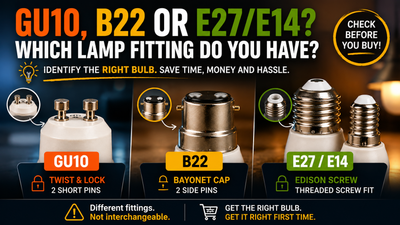
- LED Lighting: Switching to LED bulbs significantly lowers electricity consumption compared to traditional incandescent lights.
- Dishwashers: Models with eco-wash cycles use less water and electricity.
The Future of Energy Efficiency
As technology advances, manufacturers are continuously developing smarter, more energy-efficient home appliances. Innovations such as IoT-enabled smart home systems, solar-powered appliances, and AI-driven energy management tools are set to revolutionize how we use energy at home.
Consumers can expect even stricter energy efficiency standards in the future, driving the market toward more sustainable and cost-effective solutions.
Conclusion
Investing in energy-efficient home appliances is a smart choice for anyone looking to cut electricity costs and contribute to a greener environment. By understanding energy efficiency ratings and making informed purchasing decisions, consumers can enjoy long-term savings and a more sustainable lifestyle. Next time you’re shopping for an appliance, make sure to check its energy label—it’s a small step toward a big impact.